Eye Strain Headache: Causes, Relief, and Prevention
Reviewed by
Maria Horan FBDO
Headaches that occur after using screens are increasingly common. One of the main causes is eye strain, often brought on by long periods of focused visual activity.
Although these headaches can be uncomfortable, they are usually manageable with the right adjustments.
Read on to learn what an eye strain headache is, explore the common causes and outline practical steps you can take to relieve symptoms and help prevent them in the future, including chronic headaches linked to screen use.
What is an eye strain headache?
An eye strain headache is a type of discomfort that develops after intense or prolonged visual activity, most commonly during screen use. It often results from the muscles in and around the eyes becoming overworked while trying to maintain focus.
This type of headache tends to build gradually and is usually felt around or behind the eyes, and it can intensify symptoms if exposed to bright light or screen glare.
While eye strain headaches can be unpleasant, they are not typically a sign of a serious issue. In most cases, they can be improved or avoided by making a few simple changes to your daily routine or environment.
If left unaddressed, symptoms may develop into chronic eye strain or eye strain headaches.
Common symptoms of an eye strain headache
This type of headache pain often begins gradually and may feel like a dull, tightening sensation behind the eyes or across the forehead.
For many, the discomfort builds throughout the day, especially without regular breaks or proper screen ergonomics. The most commonly reported symptoms include:
- A steady, aching headache around the eyes, temples or forehead
- Blurred or double vision, particularly after long periods of focus
- Dry, watery or irritated eyes due to reduced blinking
- A sensation of eye fatigue or heaviness, sometimes making it difficult to keep your eyes open
- Sensitivity to light
Other signs may include increased sensitivity to light (photophobia), mild eye twitching or difficulty concentrating. Tension in the neck, shoulders or upper back is also common and often linked to posture during screen time.
This physical tension may contribute to muscle tension headaches and tension headaches in regular screen users.
If these symptoms occur frequently, it may be a sign that your eyes are working harder than they should. Addressing the underlying cause can significantly reduce discomfort and improve visual comfort throughout the day.
DID YOU KNOW?
When we focus on screens, our blink rate can drop from around 17 blinks per minute to as few as 4. This decrease leads to dryness and fatigue, both of which play a role in eye strain and headaches.
Main causes of eye strain headaches
Eye strain headaches are most often caused by overuse of the eyes during tasks that require prolonged focus, particularly on digital screens.
When the eyes are forced to concentrate for long periods without rest, the muscles responsible for focus and eye movement can become fatigued.
One of the most common triggers is staring at a screen for hours, especially without breaks, which puts stress on the eyes and often leads to visual fatigue. This effect can be made worse by screen glare or blue light exposure.
Both of these contribute to digital eye strain and may worsen chronic headaches. Another major cause is uncorrected vision or wearing an outdated prescription.
If your eyes are struggling to focus because your lenses are no longer suitable, the added effort can quickly lead to headaches.
Lighting also plays a role. Harsh overhead lights, screen glare or poor contrast settings force the eyes to adapt constantly, increasing the risk of discomfort.
Other contributing factors may include dry air, low blink rate and lack of regular visual breaks. Even small habits, if repeated daily, can lead to ongoing strain and discomfort.
How to find relief
When an eye strain headache sets in, there are a few immediate steps you can take to ease the discomfort. Some quick relief solutions include:
- Taking breaks: Try to step away from your screen and take time to rest your eyes. Even short breaks can help reduce the pressure on the muscles around the eyes.
- Use the 20-20-20 rule: Every 20 minutes, focus on something at least 20 feet away for 20 seconds. This relaxes the focusing system and helps reduce visual fatigue.
- Hydrate the eyes: eye drops can offer quick relief from dryness, especially in air-conditioned spaces or after hours of screen use. Choose preservative-free options recommended by an eye care professional.
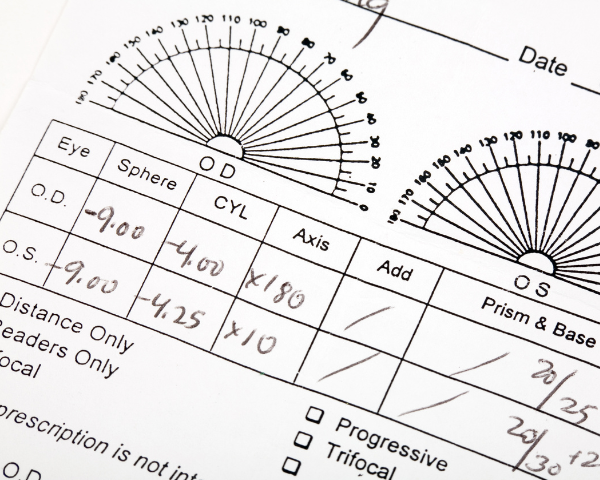
- Check your vision: If eye strain headaches persist, make sure your prescription is up to date, especially if you spend a lot of time on screens. Even small changes in vision can lead to increased strain, so regular eye exams are key.
If headaches from eye strain persist, it might be a sign that something in your routine needs adjusting. Small changes, such as improving your posture, can often help.
Make sure your neck and shoulders are properly supported, especially during long work sessions, as tension in these areas can contribute to head and eye discomfort.
Ways to prevent eye strain headaches
Preventing eye strain headaches starts with protecting your eyes from daily stress before symptoms appear.
An up-to-date prescription is essential. Eyes that are working harder than they should are more prone to fatigue and strain.
If you wear glasses or contact lenses, regular check-ups help keep your vision sharp and comfortable. This is especially important for anyone experiencing blurry vision or frequent eye strain headaches.
Your computer screen setup also matters. Position monitors slightly below eye level and at a comfortable distance, ideally around 20 to 28 inches away. Avoid glare by adjusting lighting and using matte screens or anti-reflective coatings where needed.
For those who spend long hours at a screen, blue light-blocking lenses may reduce visual discomfort and sensitivity, especially in low-light conditions. While they won’t prevent eye strain alone, they can support overall comfort.
Building healthy habits is just as important. Blink regularly, keep your eyes hydrated and take structured breaks throughout the day. Small adjustments like these can significantly reduce the risk of recurring symptoms over time.
When to get your eyes checked
If you experience frequent headaches, changes in vision or ongoing discomfort during screen use, it’s important to speak with an eye care professional. Even mild vision issues can lead to significant strain if left uncorrected.
Regular eye exams help identify whether your current prescription is still accurate and can rule out other potential causes of headaches. If needed, your dispensing optician can recommend lenses or other solutions tailored to your visual needs.
Your eyes deserve a break
Eye strain headaches are common, especially with the amount of time many of us spend in front of screens. Fortunately, small changes to your routine can help ease symptoms and reduce future discomfort.
You don’t have to manage it alone. You can speak directly with one of our certified optical experts, who can answer your questions and guide you toward the right solution.
Taking care of your eyes today can significantly reduce discomfort over time. If you’re noticing signs of strain, now is a good time to take action. We’re here to help you feel more comfortable and see more clearly.
Related articles


Related articles