Eye Shapes

By Caitlin Fraser
Reviewed by Beck Jinette

Beck Jinette

Reviewed by

Beck Jinette
Beck has over 17 years of experience in eye care, holding her Certificate IV in Dispensing in Australia.
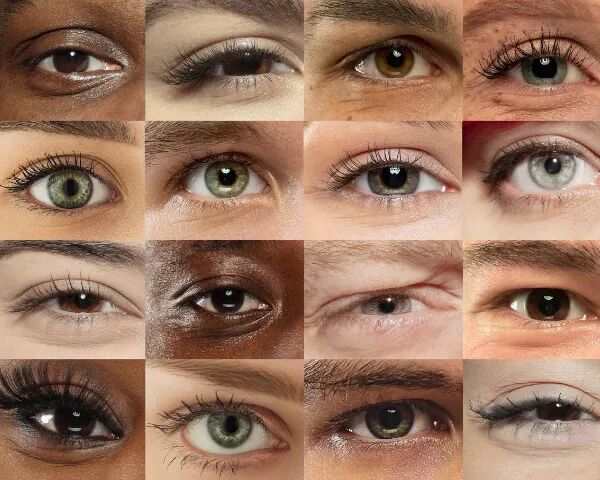
Discover the 10 different eye shapes, how they impact eyesight and how to find the best frames to suit you.
grid of 12 different eye shapes up close

If you were asked to describe what someone looks like, what features would you include in your description? For many, eye colour would be one of the first things mentioned. It is a very noticeable aspect of a person’s look, and is often the first thing that strikes us when meeting someone new. 

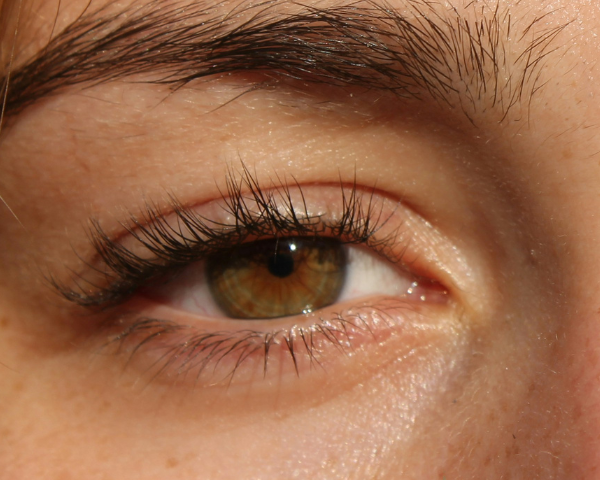
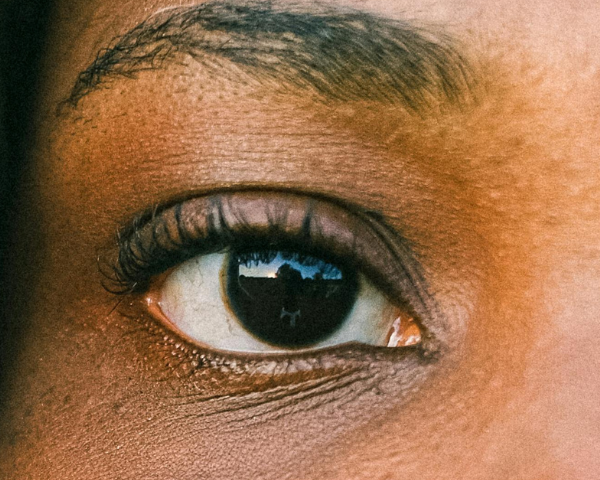
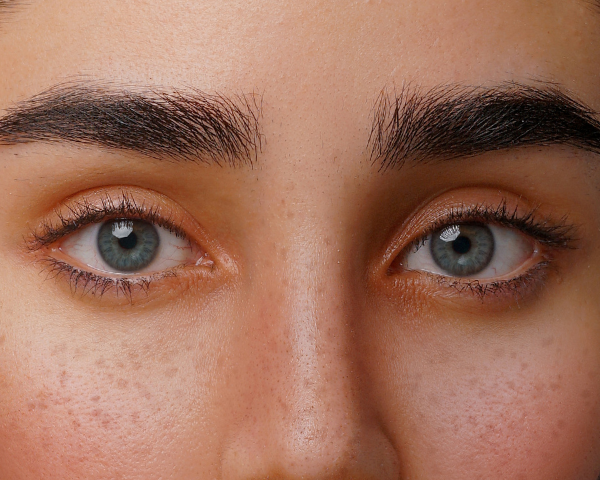
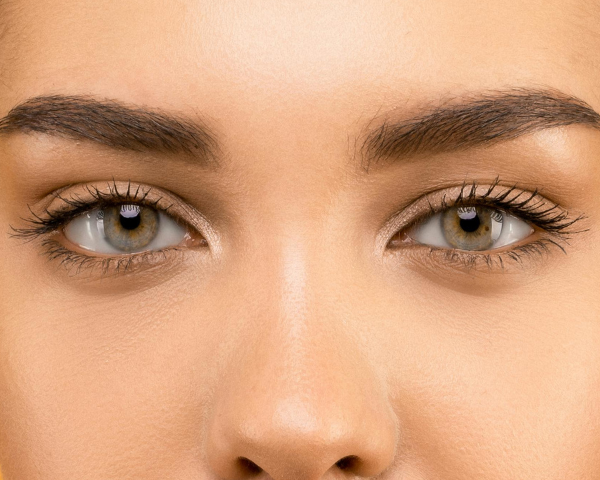
Although it receives less attention, there is another ocular trait that impacts physical appearance and natural beauty; eye shape. You may have noticed someone has particularly wide, deep-set, or narrow eyes, but did you know there are actually ten different eye shapes that categorize this facial feature?

The 10 Different Eye Shapes

As opposed to face shapes (which are very loosely divided into four different options), eye shapes are defined in more detail, as evidenced by the larger number of categories. 

The eye length, openness and angle of the eyes are among some factors involved in the classification of different eye shapes. 

These small details are perhaps not something you consciously recognise, but they definitely have an effect on our overall perception of people’s faces.  

Almond eyes

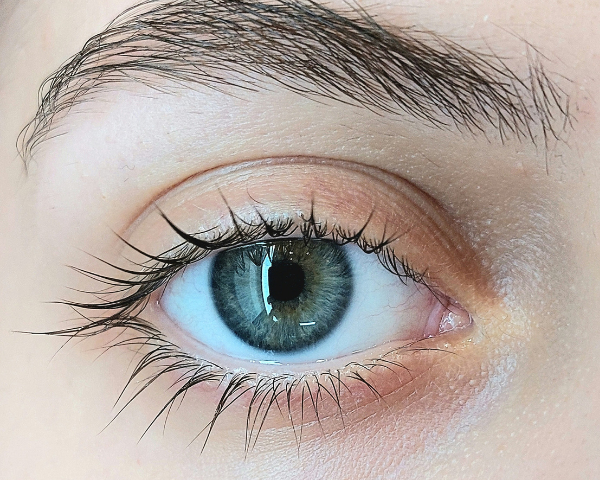
The defining characteristic of almond shaped eyes is that the iris touches both the top and bottom eyelid. This means that the sclera (the white part of the eye) is not visible directly above or directly below the iris, which touches both the upper and lower lash line. 

almond eye

As the name suggests, almond eyes have an elongated, oval/almond shape and taper off significantly towards the corners.

Round eyes

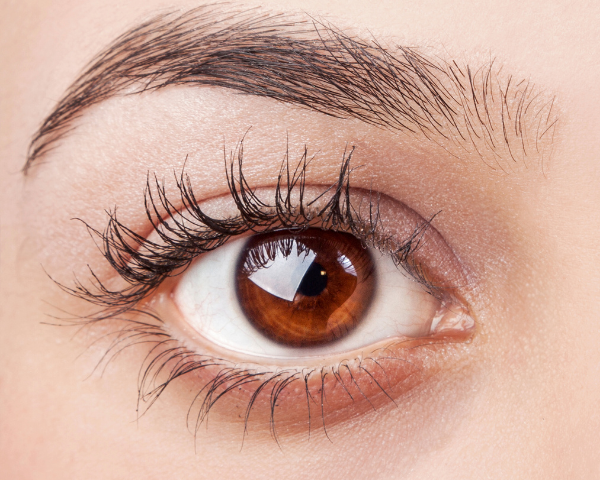
With round eyes, the white of the eye is visible both above and below the iris, which can make them stand out more.

round eye

The inner and outer corners have a less prominent taper than that of an almond eye shape. Round eyes also have a visible crease in the skin of the upper eyelid.

Protruding eyes

Some people’s eyeballs are naturally set further forward in the eye socket. The result of this is protruding eyes. The shape of the eyeball itself is more prominent, making the eyes look rounder.

protruding eye

The outer edges of protruding eyes are generally wider than those of most eye shapes. This means a large part of the sclera is visible, as the eyelids usually do not reach the iris.

Monolid eyes

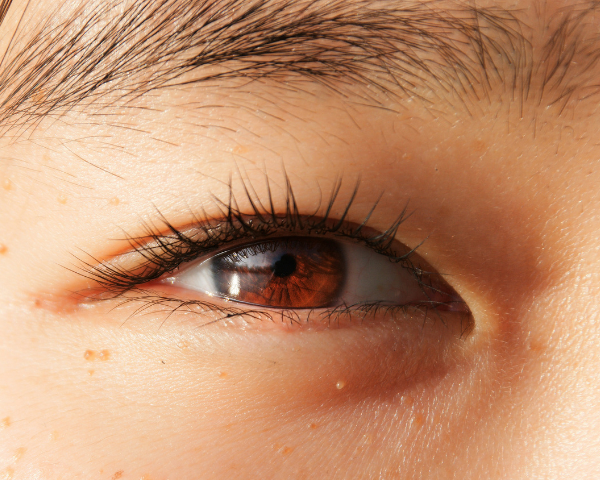
The eyelids are the determining factor here, as they have no crease or fold. This sets monolid eyes apart from other eye shapes and gives them a very distinct appearance.

monolid eye

The monolid eye shape appears flat as the upper lid sits smoothly above the eyeball, rather than cling tightly to form a crease. This is also known as an epicanthal fold.

Downturned eyes

The main characteristic of downturned eyes is notable in the outer corners of the eyes. With most eye shapes, the outer corner is slightly higher than the inner corner. With downturned eyes, it is level with, or slightly lower than the inner corner.

downturned eye

The outer edge of the upper eyelid can also slope downwards more steeply than with other eye shapes. 

Upturned eyes

Unsurprisingly, upturned eyes are the opposite of downturned eyes. In this case, the outer corner is positioned higher than the inner corner.

upturned eye

The overall shape is similar to almond eyes, but with the added lift in the outer corner. Upturned eyes are sometimes referred to as “cat-eyes”, and their is a clear resemblance between this eye shape and cat-eye glasses.

Close-set eyes

Rather than the shape or angle of the various parts of the eye, close-set eyes are defined by their position in relation to one another.

close-set eyes

Eyes are generally considered to be close-set if the distance between the inner corners (from one tear duct to the other) is less than one eyeball width. Your eyes may be close set while also having a round, almond, or any other shape. 

Wide-set eyes

Once again, it’s all in the name. If the distance between your eyes is greater than one eyeball width, your eyes are considered to be wide-set.

wide-set eyes

Although particularly wide-set eyes can be a trait attached to certain medical conditions, some people’s eyes are simply further apart than others.

Deep-set eyes

With deep-set eyes, the eyeball sits further back in the socket, creating the opposite of the bulging appearance associated with protruding eyes.

deep-set eye

As the eyes are further back in the skull, the brow bone has a more prominent, even protrusive look. 

Hooded eyes

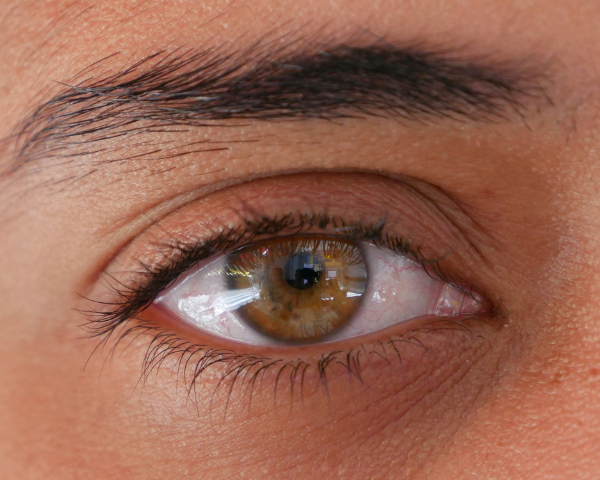
Hooded eyes occur when there is an overhang of skin on the upper eyelid. This conceals the crease in the eyelid, with the excess fold of skin sometimes extending past the edge of the upper lash line, hence the name “hooded eyes”.  

hooded eyelid
DID YOU KNOW?

The shape of your eyes can determine whether you are nearsighted or longsighted.

How do I find my eye shape?

Now that you’re up to speed on the different variations, you can determine your eye shape easily by observing your eyes in the mirror and taking note of their characteristics.

Look straight ahead and also from different angles. Do not attempt to open your eyes wider or flex any eye muscles to alter their shape, otherwise, you will not be able to determine your eye shape correctly. 

Here is a brief run-through of the some different combinations of characteristics, and what eye shapes they indicate:

  • No visible eyelid crease – monolid eyes
  • Crease in eyelid, white visible above and below the iris – round eyes
  • Outer corners level with (or lower than) inner corners – downturned eyes
  • Flap of skin hiding the inward crease in the eyelid – hooded eyes
  • Top and bottom eyelids touching the iris, visible crease – almond eyes
  • Outer corners higher than inner corners with an upwards flick – upturned eyes
  • Prominent brow bone, round eyes with a lot of white visible – protruding eyes
  • Distance between eyes greater than the width of one eye – wide-set eyes
  • Distance between eyes less than the width of one eye – close-set eyes

Can eye shape affect vision?

The eye shapes detailed in this article refer to the aesthetic appearance of eyes and how they are positioned on the face. Your eye shape is a genetic trait that has an aesthetic effect on your appearance, but generally does not affect vision.

Eyeball length, on the other hand, is the cause of some common vision problems.

Myopia and hyperopia

An elongated eyeball is responsible for myopia (shortsightedness), which causes blurry distance vision. Conversely, if the eyeball is shorter than usual, it results in hyperopia (farsightedness), which blurs objects in your near field of vision.

Both conditions are refractive errors, direct results of the shape of the eyeball.

Exophthalmos

Protruding eyes can be a natural aesthetic trait caused by the position of the eyeballs in the skull.

However, if you don’t have naturally protruding eyes and you notice that they appear to be bulging, see an eye doctor immediately. Exophthalmos is a condition that causes one or both eyes to bulge, and is often an indicator of hyperthyroidism. 

Ptosis

Hooded eyes are a hereditary trait, but eyelids also tend to droop with age, sometimes leading to a condition called ptosis. Ptosis occurs when the eyelid remains in a semi-closed position, or a flap of skin from the eyelid hangs over the upper lash line, obscuring vision.

If severe and left untreated, it can lead to vision problems like astigmatism or amblyopia. Ptosis can be surgically corrected, either for cosmetic reasons, or to prevent further vision obstruction or loss. 

applying winged eyeliner

In the vast majority of cases, the natural shape of the eye does not need to be surgically altered, although some people seek cosmetic surgery to achieve their preferred aesthetic. Alternatively, some turn to makeup to achieve the same result less invasively.

Although you can’t permanently change the shape of your eyes by applying makeup, applying mascara, winged eyeliner, or a smokey eye could enhance or soften your natural features.

Choosing glasses for your eye shape

When choosing a new pair of glasses, you should always take your face shape into consideration to get the most harmonious aesthetic results.

Eye shape is less important, but there are certain frame styles that may complement your particular eye shape a little more than others. 

3 pairs of glasses in a row

Thin frames

Thin frames are a popular choice among most eyeglass wearers as they are featured in many different styles and colours.

Office-chic, rectangular black frames are a timeless choice, as are more rounded, golden frames with a delicate nose bridge. If you have close-set eyes, a frame with a thin bridge is a flattering option.

Bold frames

If you’re on the other end of the scale and have wide-set eyes, a chunkier frame will suit you well. Bold frames come in a range of colours— from shades of tortoise shell to transparent pink.

Bright colours with a chunkier frame can also draw attention away from the gap.

Geometric frames

Playing with geometric shapes can be a fun way to accessorise and add interest to your every-day look. Square frames create a flattering contrast to round eyes, however, round frames also suit round and protruding eyes.

 For almond eyes, try to find a frame that’s similar to the eye shape itself, such as cat-eye frames.

No matter your eye shape, glasses can be used to embrace and enhance your natural features. What’s more important is to have fun with your look and choose a comfortable frame that reflects your personal style.

Confidence and comfort are key

Beauty is in the eye of the beholder, regardless of what shape it is! To really get the best results, choose a pair of glasses that you feel confident wearing and are comfortable in, even if it means going against the grain.

Although we may not be able to provide makeup tips, our optical experts are available to assist you in finding the most suitable glasses for any of your eye-care needs. 

Related articles

What is My Eye Colour?
Learn about the common eye colours and what that makes them unique.
View more

What Does “Nearsighted” Mean?
Nearsightedness is the common way to refer to Myopia. Find out what it is, why it happens and how you...
View more
Eye Anatomy
Our eyes are made up of many parts that work together with the brain. They are critical in helping us...
View more

Related articles

What is My Eye Colour?
Learn about the common eye colours and what that makes them unique.
View more
What Does “Nearsighted” Mean?
Nearsightedness is the common way to refer to Myopia. Find out what it is, why it happens and how you...
View more
Eye Anatomy
Our eyes are made up of many parts that work together with the brain. They are critical in helping us...
View more

Leave a comment

Your email address will not be published. Required fields are marked *